
The complete guide
How to Choose a Silk Pillowcase, and Why 23 Momme and 50 x 70 Matter
The small problem a silk pillowcase actually solves
Most people do not go looking for a silk pillowcase because of bedding. They go looking because of something small and repetitive. Hair that looks slept-on no matter how carefully it was dried. Creases pressed into one cheek that take an hour to fade. A pillowcase that feels warm and slightly rough by three in the morning.
Woven cotton, even good cotton, has texture. Thousands of short spun fibres sit at the surface, and every time you turn your head, hair and skin drag across them. It is a tiny amount of friction, but you repeat it a few hundred times a night, every night, for years.
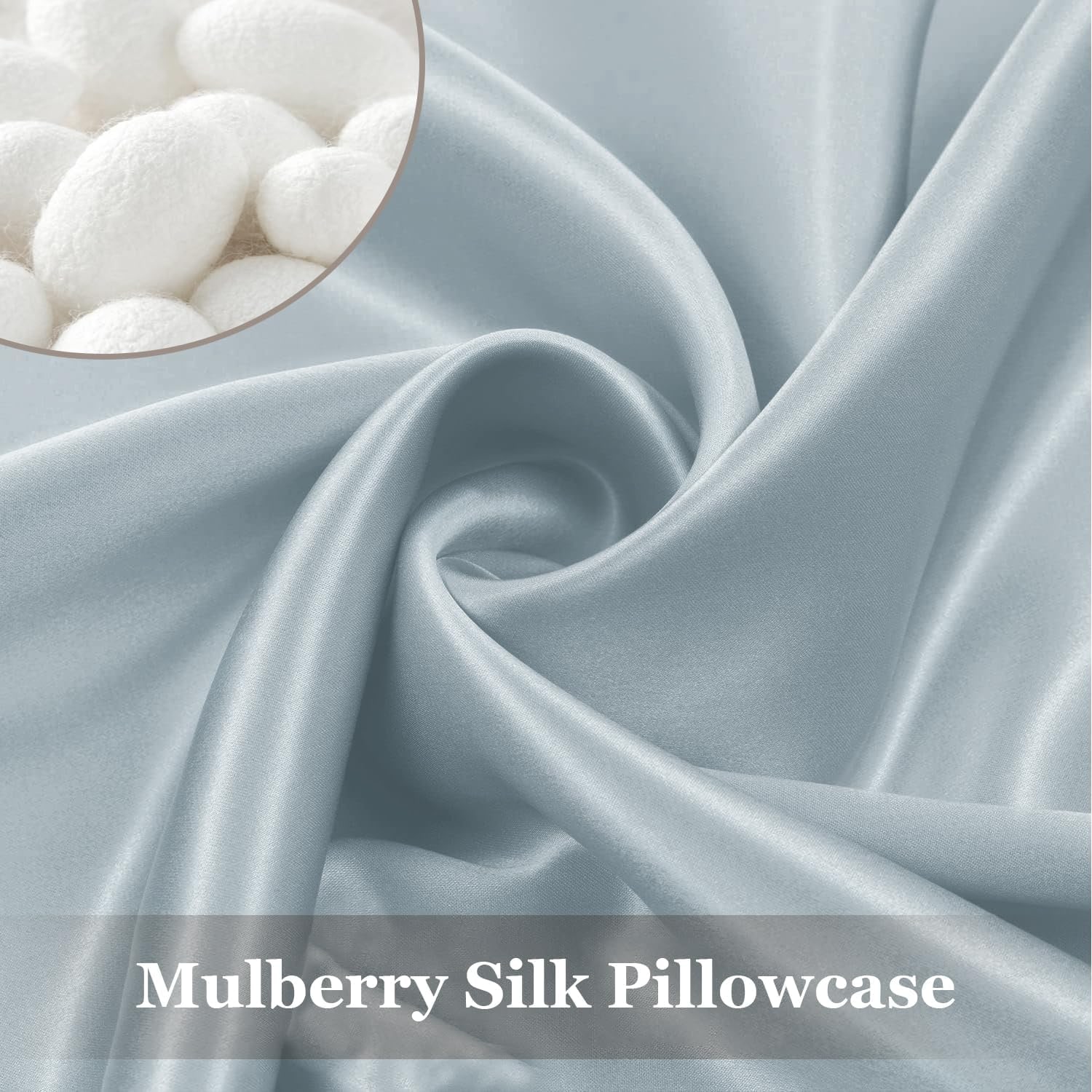
Silk changes the surface. The filament is long, smooth and continuous, so there is far less to catch on. That is the whole mechanism. No magic, just a different fibre with a different texture, and it is why the best silk pillowcase in a given price range is usually the one with the smoothest, densest weave rather than the one with the most marketing on the box.
What momme actually tells you
Momme is to silk what thread count is to cotton, except it is more useful. It measures weight, specifically how much a fixed area of fabric weighs. The higher the number, the more silk is packed into the cloth.
Silk bedding tends to live between about 16 and 25 momme. Below that range you get something light and a bit flyaway that is better suited to scarves and linings. Above it, the fabric starts to feel heavy and stiff for a pillowcase, and the price climbs fast.
This pillowcase is listed by the maker at 23 momme, which sits near the upper end of the usual bedding range. In practice that means a fabric with some body. It drapes over the pillow and stays where you put it, rather than sliding about or bunching. It also holds up better to repeated washing, because there is simply more fibre there to wear through. If you have handled a thin silk pillowcase before and found it disappointing, a heavier weight is usually what was missing.
Grade 6A, in plain terms
Silk producers grade raw filament by length and consistency. The letter and number system runs up through grades, with 6A sitting at the top of the common scale. The practical meaning is straightforward. Long, even filaments make a smoother and more uniform fabric with fewer slubs and weak points. Short or uneven fibre makes a cloth that looks less consistent and tends to pill or thin sooner.
It is a measure of the raw material, not of the finished stitching, so it is worth looking at both. Here you have grade 6A mulberry silk at 23 momme, which is the combination most people mean when they talk about the best mulberry silk pillowcase rather than just a silk-feel cover.
Get the size right before anything else
This is the step people skip, and it is the one that ruins the result.
This pillowcase is 50 x 70 cm, which is about 20 x 28 inches. That is the continental size, standard across much of Europe and widely used for the deeper, squarer pillows people like for reading in bed.
A standard pillow sold in Ireland and the UK is often 50 x 75 cm instead. Five centimetres sounds like nothing. On a pillowcase it is the difference between a smooth, flat sleeping surface and a cover that is stretched tight at the ends with the zip under strain.
So take a tape measure to your pillow. Lay it flat, do not squash it, and measure seam to seam in both directions. If you get 50 x 70 cm, this is your size. If you get 50 x 75 cm, look for the longer case instead. If your pillow is square at 65 x 65 cm, you need a square cover. Guessing here is the most common reason a silk pillowcase gets returned, and it is completely avoidable.
Why the zip matters more than you think
Silk is slippery. That is the point of it, and it is also why closure design matters more on a silk pillowcase than on a cotton one.
An envelope closure, where a flap of fabric folds over the open end, works well enough on cotton because the friction holds everything in place. On silk, the pillow can gradually work its way out over a few hours of turning. You wake up with half a bare pillow and a crumpled cover.
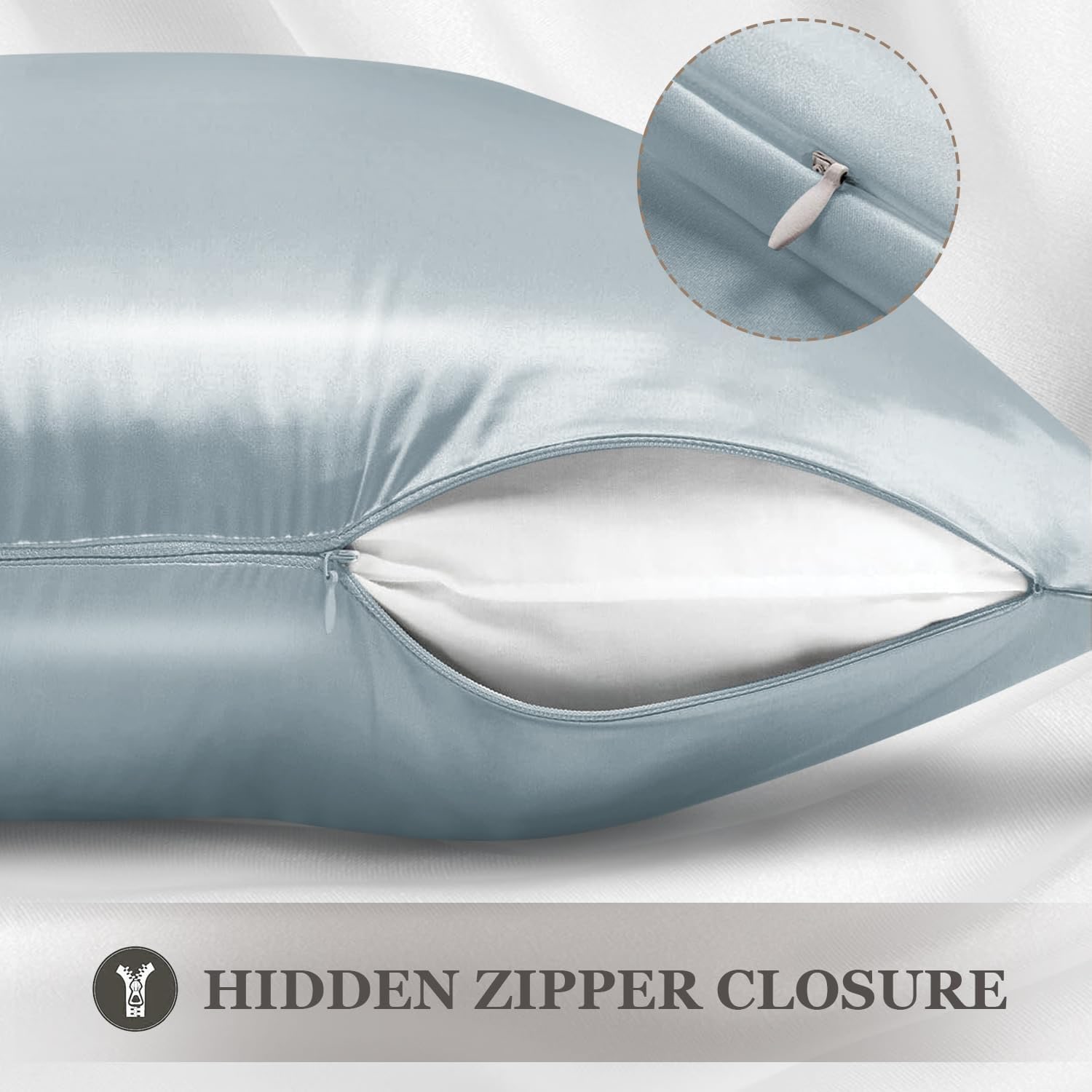
A zip removes that problem. The pillow goes in, the zip closes, and nothing moves. On this pillowcase the zip is hidden inside the seam, so you get the security without a visible line of plastic teeth running across the face of the fabric. If you are comparing options and want the best hidden zip pillowcase for a neat bed, that concealed finish is what to look for.
One small habit worth adopting. Close the zip before you put the pillowcase in the wash. An open zip can catch on the fabric during the cycle and pull a thread.
Who this suits
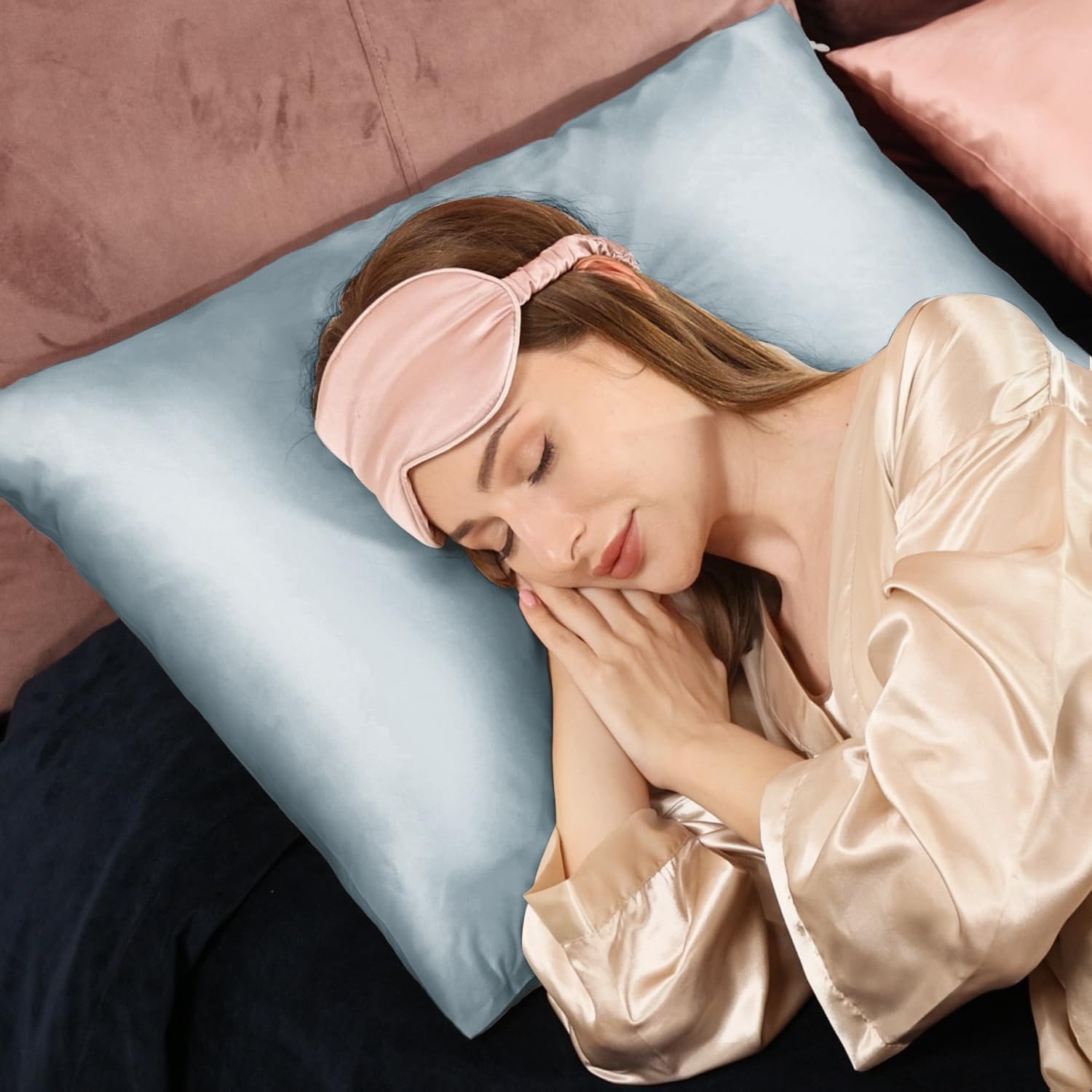
People with long hair tend to notice the difference first and most clearly. Less drag across the surface means less of that slept-on, roughed-up look in the morning.
Anyone who sleeps on their side or front spends hours with one side of their face pressed into the pillow, and a smoother surface is simply more pleasant for that.
People who run warm often prefer silk, because it feels cool when you first lie down and does not trap heat the way some synthetics do.
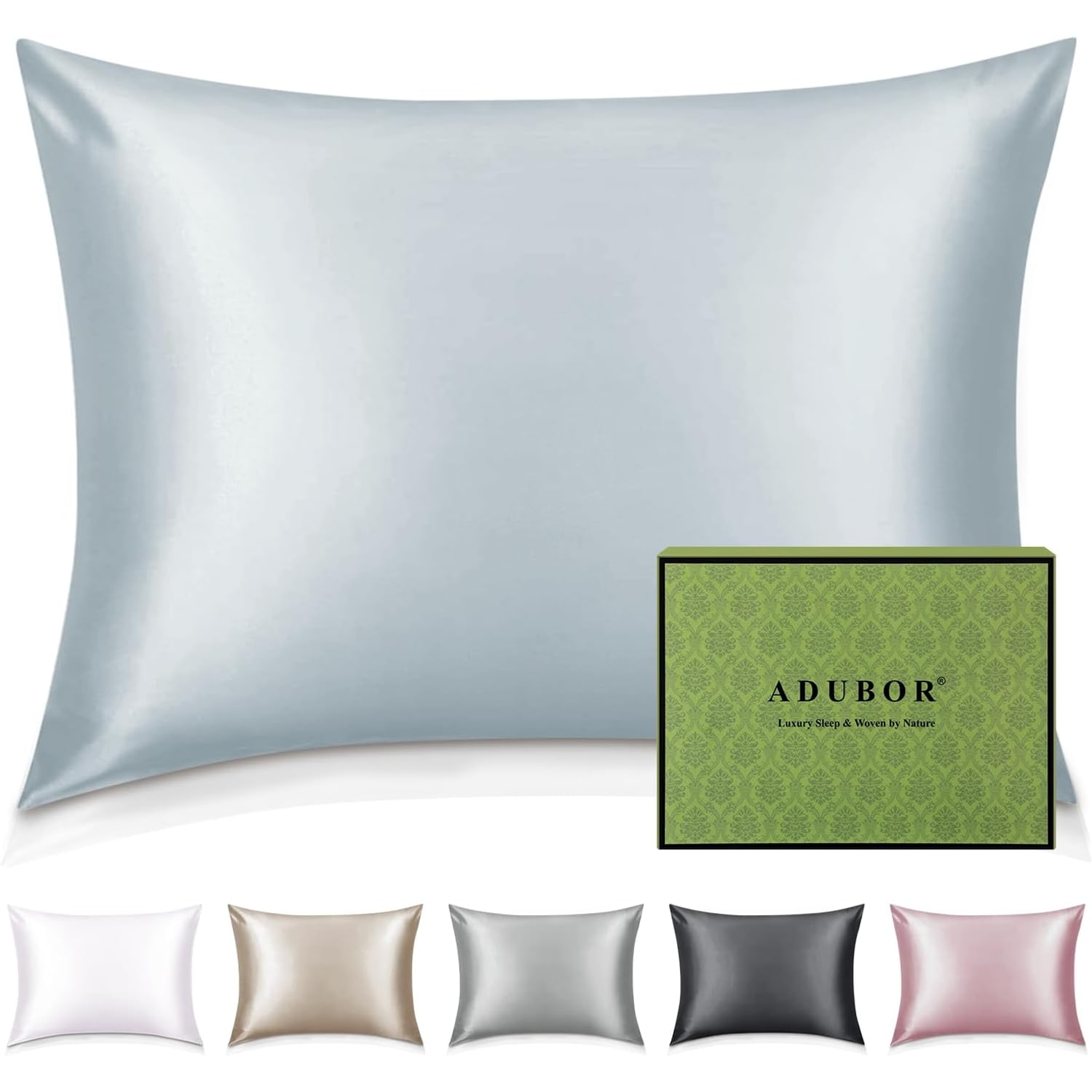
And it suits anyone who wants their bed to look finished without doing much. A solid silver grey silk pillowcase does a surprising amount of work next to plain white cotton, because the sheen does the decorating on its own.
Living with silk, practically
Silk has a reputation for being fussy. It is gentler than that, as long as you stick to four habits.
Wash cool. Hot water is the main thing that damages silk. Cool hand washing is ideal, and a cold gentle machine cycle with the case in a mesh laundry bag is perfectly fine.
Use the right detergent. Silk is a protein fibre, and biological or enzyme detergents are built to break protein down. Use something mild and labelled for silk, wool or delicates. Skip fabric softener entirely, since it coats the fibre and dulls the surface you paid for.
Dry out of the sun. Press water out without wringing, then hang or lay the case flat somewhere shaded and airy. Direct sunlight and radiators are what fade the colour and stiffen the fabric over time.
Iron low, if at all. The lowest silk setting, on the reverse, while slightly damp. Most of the time a few light creases will relax on their own once the case is on the pillow.
Washing weekly is a sensible rhythm. Gentle, regular cleaning is kinder to silk than leaving it for a fortnight and then scrubbing.
Buying one or two
A single pillowcase is the usual starting point, and plenty of people buy one to see how they get on with it. If you share a bed, though, two matching cases look considerably better than one silk and one cotton, and buying them together means they come from the same production run so the shade matches exactly.
It is also a reliable gift. The size is standard, the colour is neutral, and it is the kind of thing people enjoy receiving but rarely buy for themselves.
The short version
This is a single mulberry silk pillowcase in solid silver grey. The silk is grade 6A, the maker lists it at 23 momme, and the size is 50 x 70 cm, which is the continental pillow size. A hidden zip along one edge keeps the pillow in place and keeps the outside of the case clean looking.
Measure your pillow before you order. Wash it cool with a mild detergent, dry it away from heat and sun, and it will keep its smooth surface for a long time. Country of origin and packed weight are not specified in the information supplied, so we have left those blank rather than guess.
If the size turns out to be wrong for your pillow, get in touch before you wash it and we will sort out a return or exchange.